


Engineering
 Rahul Borse
What's New in Laravel: Latest Updates & Performance Boosts
Rahul Borse

Introduction
Laravel remains the industry-leading PHP framework, continuously elevating developer workflows with performance enhancements, cleaner code conventions, and robust caching utilities. As applications scale globally, optimizing backend frameworks to reduce page latency has become a top priority for developers.
With its latest release updates, Laravel introduces native hooks that leverage concurrency, simplify database caching routines, and streamline server deployments, making it easier than ever to build modern SaaS backends.
Core Improvements
Performance increases are centered around route registration caching, enhanced database connection pools, and deeper integration with Redis clusters. Let's look at how we can implement active cache controls within our services:
Laravel PHP
use Illuminate\Support\Facades\Cache;

class PostService {
    public function getFeaturedPost(): Post {
        // Fetch or compute cache values dynamically
        return Cache::remember('featured_post', 3600, function() {
            return Post::where('is_featured', true)->firstOrFail();
        });
    }
}
"The true strength of Laravel is its ability to offer a fluid developer experience without sacrificing enterprise scalability."Rahul Borse — Senior Backend Architect
Minimal Workflows
In addition to caching optimizations, Laravel has minimized file structure configurations, reducing boilerplate code across new service setups. Controllers, models, and migrations are now tighter, promoting cleaner directory listings and faster onboarding loops.
Gallery Showcase
Visualizing how Laravel services distribute background jobs is crucial when scaling databases and worker nodes.
Backend Architecture Showcase
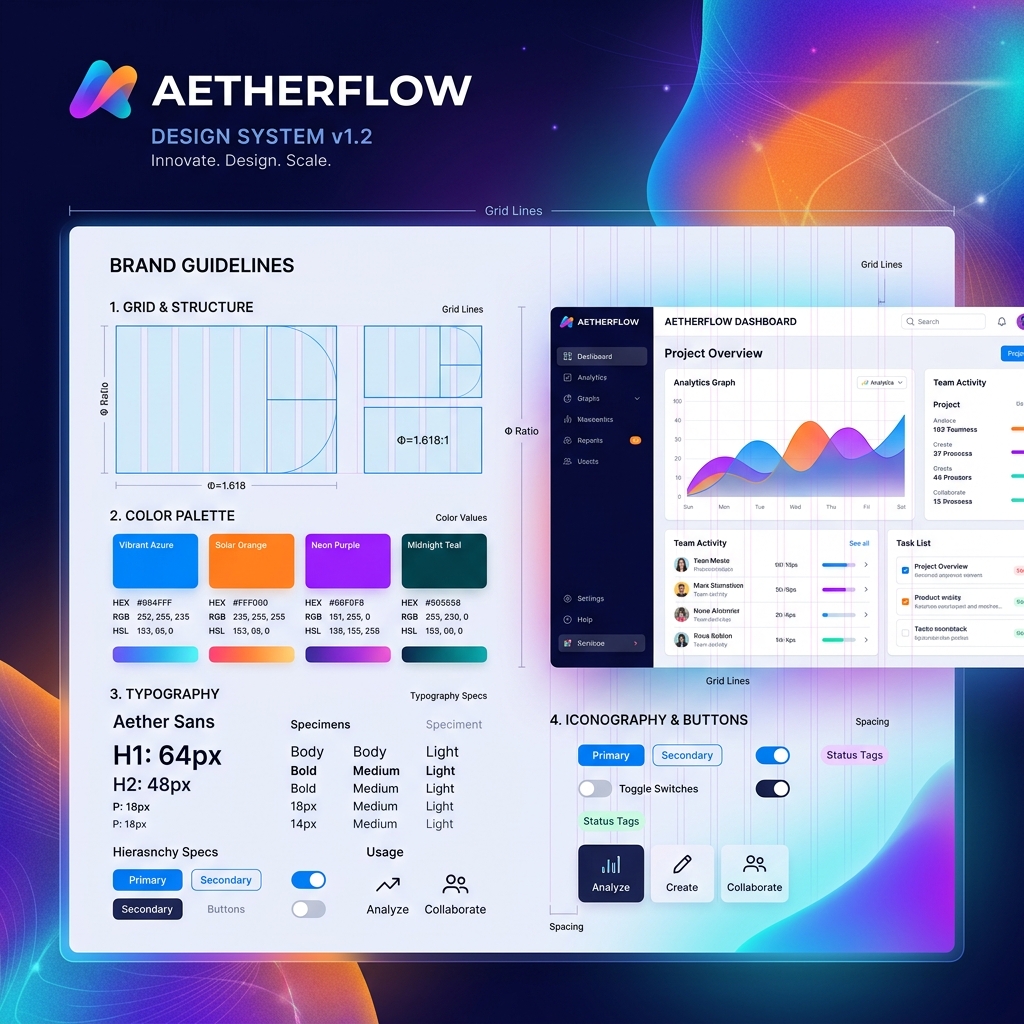
A curated set of developer setups, documentation guidelines, and brand design guidelines.



Future Ecosystem
As Laravel continues to expand its official packages, PHP develops from a simple scripting template into a robust enterprise solution. Exploring tools like Octane and Redis clusters prepares systems for handling massive volumes of high-velocity API traffic.