


SaaS Strategy
 Rahul Borse
Why Your Brand Needs a Mobile App
Rahul Borse
Introduction
Mobile applications offer direct, persistent connections with users that standard web browsers cannot replicate. By leveraging hardware capabilities, local databases, and native notification engines, brands can boost conversion rates and build long-term user retention.
We analyze why brands require dedicated mobile apps, how to implement notification configurations, and offline sync methodologies.
Push Notifications Setup
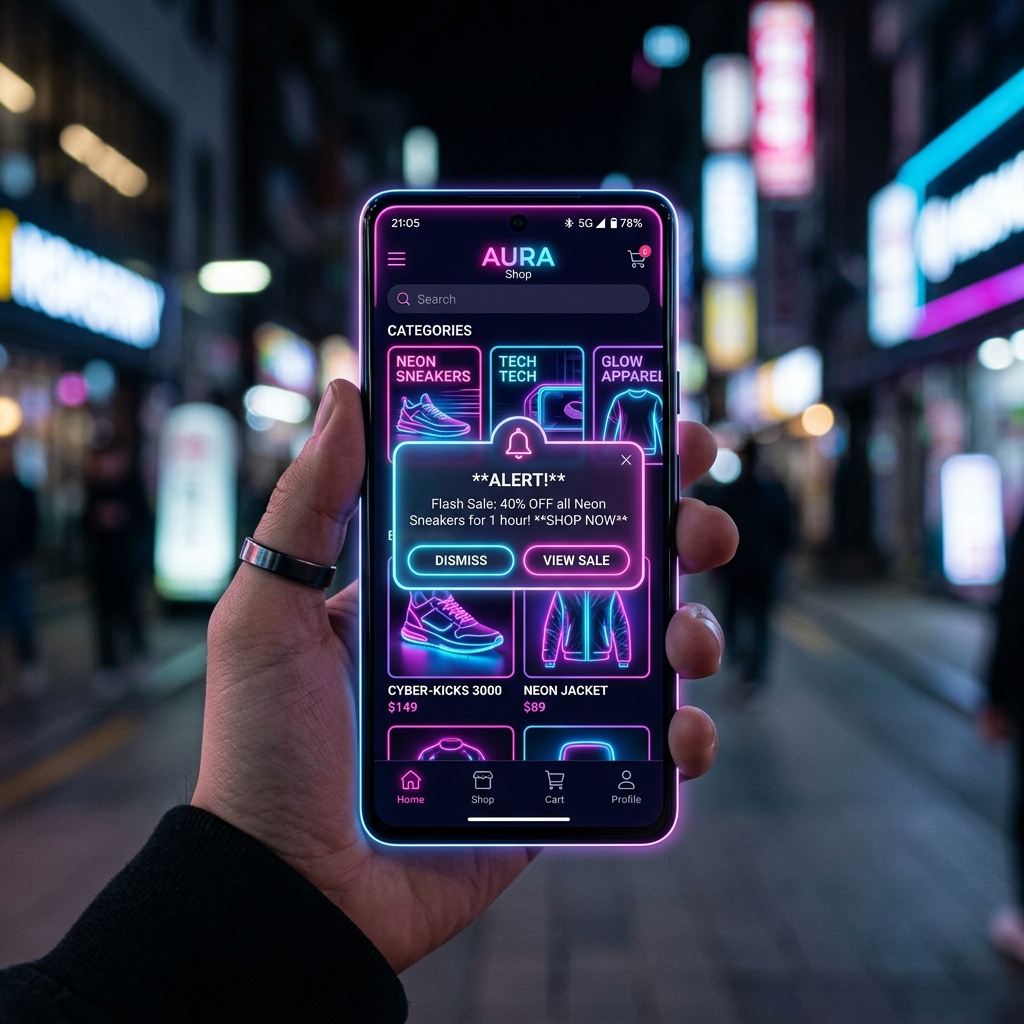
Push notifications keep your brand top-of-mind, driving return visits. Implementing notifications involves registering devices with platforms like Firebase Cloud Messaging (FCM) to manage custom payloads:
JavaScript (Firebase SDK)
import messaging from '@react-native-firebase/messaging';

async function requestUserPermission() {
  const authStatus = await messaging().requestPermission();
  const enabled =
    authStatus === messaging.AuthorizationStatus.AUTHORIZED ||
    authStatus === messaging.AuthorizationStatus.PROVISIONAL;

  if (enabled) {
    const fcmToken = await messaging().getToken();
    console.log('FCM Registration Token:', fcmToken);
  }
}
"Mobile apps are not just websites inside frames. They are interactive tools that utilize push notifications and device context to drive daily customer habits."Rahul Borse — Mobile Architect
Offline Data Syncing
Local SQL databases or key-value stores allow mobile applications to remain functional without cellular access. Once connections are restored, local updates are synchronized automatically back to server databases.
Gallery Showcase
Exploring interfaces and mobile notification flows designed for modern brands.
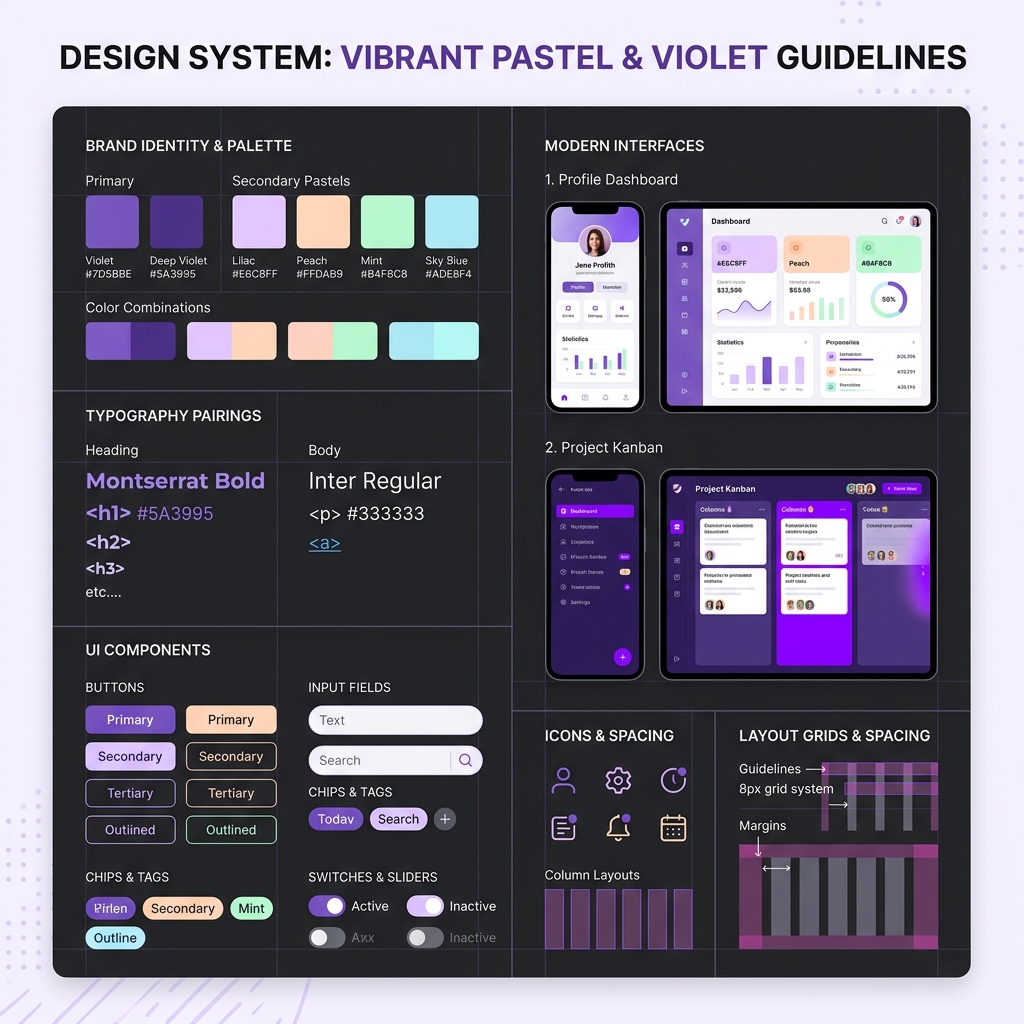
Mobile Interface Designs
Mockups of dashboard panels, user profiles, and sync settings screens.


Future Mobile Scaling
As mobile systems integrate with wearable hardware and visual computing systems, brands that build structured mobile interfaces now will stay ahead of visual rendering revolutions.