




SaaS Architecture
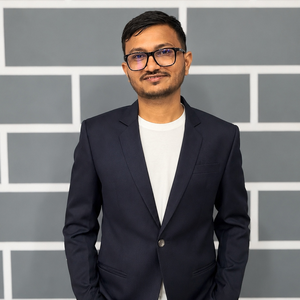 Rahul Borse
Building Scalable Multi-Tenant SaaS Applications: Architecture, Database & Tech Stack
Rahul Borse
Executive Summary & Key Takeaways
AI & Executive Brief
A deep dive into building enterprise multi-tenant SaaS platforms using PHP, Laravel, MySQL database tenancy, Stripe billing, and high-concurrency cloud hosting.
1. What is Multi-Tenancy in SaaS?
In a Software-as-a-Service (SaaS) model, multi-tenancy enables a single application instance to serve multiple independent tenant organizations. Each tenant's data remains completely isolated and secure, while sharing the underlying compute infrastructure for maximum operational efficiency and low hosting overhead.
2. Choosing the Right Tenancy Architecture
There are three primary database isolation strategies for SaaS:
- Separate Database per Tenant: Maximum security and compliance, ideal for healthcare or fintech SaaS.
- Shared Database, Separate Schemas: Balanced performance and isolation.
- Shared Database with Tenant ID: Cost-effective and easiest to scale horizontally across thousands of small business customers.
3. Key Modules Every SaaS Needs
A production-ready SaaS application requires subscription billing (Stripe / Razorpay webhooks), team roles and granular permissions (RBAC), custom domain mapping, audit logging, and automated user onboarding funnels.
Free Architecture Audit & Estimation
Need Expert Engineering for Your Web or Mobile Project?
Whether you are upgrading a legacy PHP codebase, launching an enterprise SaaS portal, or building an on-demand mobile app, Rahul Borse delivers clean architecture, enterprise security, and 8+ years of proven expertise.
"Continuous learning and robust software engineering are the cornerstones of high-impact digital solutions."Rahul Borse — Full-Stack Developer & Tech Architect

Have a unique idea?
Let’s build your digital presence
Phone
Address
A45 Shraddha Society, Near SBI Bank, Dindoli, Surat, Gujarat-394210, India.
Our Office Location
A45 Shraddha Society, Near SBI Bank, Dindoli, Surat, Gujarat-394210, India.
Open in Google Maps